
 Mia
Mia
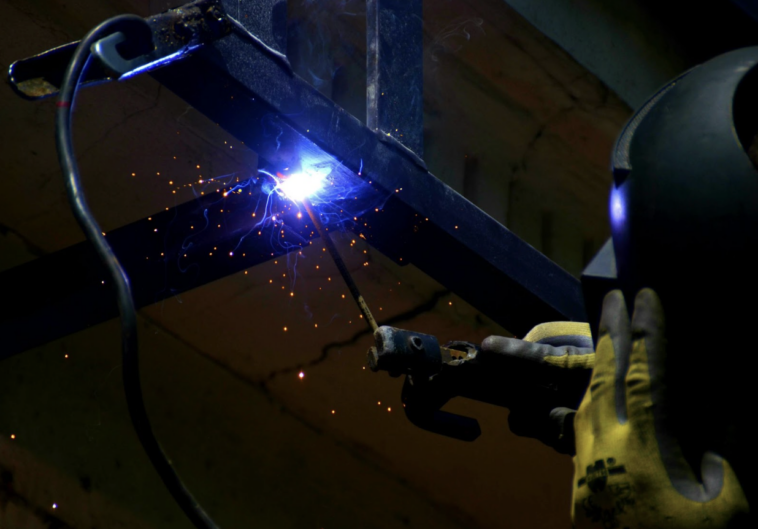
As manufacturing demands continue to rise, factories worldwide are adopting automation tools that deliver better precision, faster production, and reduced waste. One of the most impactful upgrades companies are making today is the shift toward laser-based welding systems. But with so many configurations, power levels, and capabilities available, selecting the right industrial laser welder can feel overwhelming especially if your production line handles multiple materials, varying part thicknesses, or tight quality tolerances.
Choosing the right industrial laser welder directly affects production speed, weld quality, energy efficiency, and long-term ROI. Whether you’re a fabrication shop upgrading from manual welding or a large-scale manufacturer looking to optimize throughput, understanding what matters most in an industrial laser welding system will help you make the most informed decision possible.
Why Choosing the Right Laser Welder Matters
Before exploring the features and selection criteria, it’s important to recognize the pain points that drive manufacturers toward better welding equipment:
- Inconsistent weld quality, especially with high-skilled labor shortages
- Heat distortion and rework, increasing material waste
- Slow production speeds, limiting throughput
- Limited versatility, making it difficult to adapt to new materials
A properly selected industrial laser welder addresses these challenges by combining speed, accuracy, and adaptability in ways traditional welding can’t match.
Evaluate Your Application Requirements First
Choosing the right industrial laser welder starts with understanding your production environment and part specifications.
Key questions to ask:
- What materials are you welding (steel, aluminum, copper, titanium)?
- What thicknesses do you work with?
- Do your parts require deep penetration or fine precision welds?
- Are you welding small batches or high-volume runs?
- Do your welds require cosmetic finishing?
Laser welders can handle everything from automotive battery trays to aerospace brackets, but the correct configuration depends on your parts’ exact demands.
Understand the Different Types of Industrial Laser Welders
Not all lasers are the same, and selecting the right type is essential for performance and weld quality.
Common types include:
Fiber Laser Welders
- Best for metals
- High energy efficiency
- Suitable for thin and thick materials
- Low maintenance
CO₂ Laser Welders
- Good for non-metals but less common in metal fabrication
- Larger footprint
Hybrid Laser Systems
- Combine laser with MIG or TIG
- Useful for bridging gaps on thicker materials
For most modern manufacturing environments, fiber-based industrial laser welders are the preferred option because of their low heat input, fast speeds, and consistent beam quality.
Power Level: How Much is Enough?
The power rating of an industrial laser welder directly influences penetration, weld speed, and material compatibility.
General Power Guidelines
| Laser Power | Suitable For | Notes |
| 1000–1500W | Thin metals, small components | Ideal for precision work |
| 2000–3000W | Mid-thickness materials | Most common for general fabrication |
| 3000W+ | Heavy gauge steel, deep welds | Best for high-volume industrial work |
Choosing too much power can cause burn-through on thin materials, while choosing too little power slows production.
Consider Automation and Integration Needs
Industrial laser welders can operate manually, semi-automatically, or in fully automated environments.
Integration options:
- Robotic welding cells
- Cobot-assisted welding
- CNC-guided automation tables
- Gantry systems
Automation can improve repeatability and production speed but requires fixturing, safety systems, and programming capabilities.
Ask yourself:
- Do you plan to add robotics later?
- Do you require multi-axis control?
- Will multiple welders operate simultaneously?
Selecting a system with flexible integration options can future-proof your production line.
Beam Quality and Welding Modes
Laser welding performance isn’t just about power it’s about control.
Beam quality impacts:
- Weld depth
- Weld width
- Heat-affected zone
- Final appearance
Higher beam quality allows for smaller, cleaner welds.
Useful welding modes include:
- Continuous wave: For smooth, long welds
- Pulse mode: For thin metals and heat-sensitive parts
- Spot welding mode: For micro-welds or detailed applications
The best industrial laser welder will allow you to switch modes depending on production needs.
Cooling Systems and Duty Cycle
Laser welders generate heat, especially during long production runs. A cooling system prevents overheating and protects internal components.
Types of cooling:
- Air cooling: Best for low-power lasers
- Water cooling: Necessary for industrial systems above ~1500W
Duty cycle matters too.
If your production involves continuous welding, choose a laser with a high-duty cycle to prevent delays and maintain consistent output.
Fixturing, Positioning, and Workholding
Even the best industrial laser welder can only perform as well as the fixture holding the part.
Good fixturing should:
- Keep parts stable
- Prevent vibration
- Maintain alignment
- Allow operator access
- Support quick loading/unloading
Fixtures are often overlooked, but they directly affect weld quality and cycle time.
Safety Considerations in an Industrial Setting
Laser welding requires proper safety setups, including:
- Enclosures or protective curtains
- Laser-rated eyewear
- Fume extraction systems
- Interlocks and emergency stops
Even though modern systems simplify compliance, ensuring proper safety protocols is essential for protecting operators and maintaining a productive environment.
As you evaluate your options, look for equipment built to support precision, reliability, and industrial workloads. Many manufacturers explore solutions from brands like Denaliweld, which offer welding tools and systems designed for modern fabrication and automated environments.
Conclusion
Selecting the right industrial laser welder is a critical investment that affects everything from weld quality to long-term production efficiency. By evaluating your material needs, power requirements, automation compatibility, safety considerations, and overall workflow, you can choose a system that enhances both performance and profitability.
Laser welding continues to reshape the manufacturing landscape, offering unmatched precision, speed, and versatility. With the right machine and setup, your production line can achieve cleaner welds, faster cycles, and more consistent results positioning your operation for long-term growth in an increasingly competitive market.