
 Mia
Mia
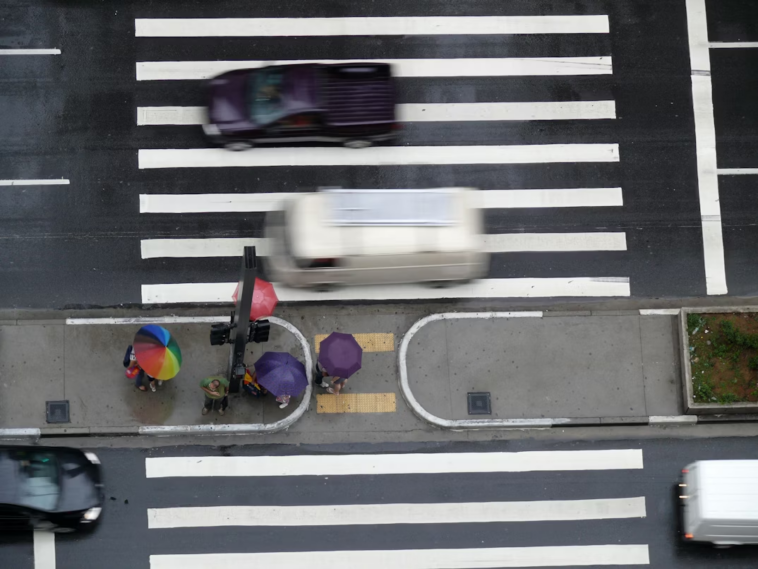
Walking to school should feel simple and calm. Yet traffic, distractions, and unclear rules can turn a short trip into a risky moment. Parents, schools, and drivers can work together to make crossing the street safer for every child.
This guide breaks down habits that actually stick. It also shows how to talk about safety in a way kids remember. Use these ideas at home, on the walk to school, and anywhere your family crosses busy roads.
Teach The Core Crossing Routine
Kids learn best with repeatable steps. Start with a simple routine they can do every time. Say it out loud together, then practice on quiet streets before moving to busier roads.
Make the routine concrete with body cues kids remember. Stand at the edge, look left-right-left, and point your finger where you will walk.
In communities with complex intersections, parents can consult a lawyer for local guidance on right-of-way rules that affect children. They should then adapt the routine to nearby signals and crosswalks. If the worst happens and a driver hits a child, you should contact a pedestrian injury lawyer promptly, as Tad Nelson suggests. A professional can help to secure evidence, handle insurance calls, and explain next steps so you can focus on care.
Make Eye Contact With Drivers
Teach kids to look for the person behind the wheel. A nod or a small hand wave helps confirm that the driver sees them. If there is no reaction, wait.
Explain that cars move faster than they seem. Even a short gap can close quickly. Eye contact lowers the chance of confusion at crosswalks, parking lots, and school zones.
Practice this with role-play. One adult acts as the driver and the other as the child. Switch roles so kids feel what drivers can and cannot see.
Tame Distractions On The Curb
Phones, earbuds, and fidgety backpacks pull attention away from the curb. Set a family rule: pockets zipped, earbuds out, and eyes up before stepping toward the street. Keep the rule short and repeat it daily.
Model the habit as an adult. If you stop checking your phone, kids notice. Treat the curb like a quiet zone where everyone pauses and resets.
Make it easier to follow the rule. Choose a safe meeting spot a few steps back from the corner. Do gear checks there so the curb stays focused on traffic only.
Read Streets Like A Map
Help kids learn how streets work. Show them lane markings, turning arrows, stop bars, and yield triangles. Explain how each piece guides where cars and people go.
Start with one new detail per walk. Today, it might be how turn lanes change driver behavior. Next time, it could be how a median provides a pause point.
A public health brief highlighted how pedestrians make up a significant share of road deaths, stressing basic skills like visibility and crossing at marked locations. Use that as a reminder to pick routes with sidewalks and well-marked crossings when possible, especially at dusk and dawn.
Pick Routes That Forgive Mistakes
Even careful kids make errors. Choose paths that reduce the harm when a mistake happens. Lower speed limits, raised crosswalks, and narrow lanes tend to slow cars.
Scout the neighborhood on a weekend morning. Notice where drivers roll stops, where sightlines are blocked, and where lighting is weak. Shift the route to avoid those trouble spots.
When options are limited, adjust timing instead. Leave a few minutes earlier to cross before traffic peaks. Small schedule changes often give kids calmer, safer gaps.
What To Look For On A Route Walk
- Sidewalks that are continuous and wide enough for kids to walk side by side
- Crosswalks that are high-contrast and placed where drivers expect them
- Corners with clear sightlines, not hidden by parked cars, shrubs, or signs
- Signals with enough walk time for shorter legs to finish crossing
- Speed humps, raised intersections, or curb extensions that slow turning cars
Practice School-Zone Smarts
School zones can be hectic. Teach kids that slow traffic does not mean safe traffic. Cars make sudden stops and turns near drop-off loops.
Point out bus loading areas and where kids often jaywalk. Show how a crossing guard’s stop sign changes driver behavior. Remind kids to wait until the guard fully enters the lane before stepping off the curb.
A transportation update reported a recent dip in pedestrian deaths in early estimates, but the absolute numbers remain high. Use that as motivation to follow the routine every time, even when the bell is ringing, and everyone is rushing.
Dress To Be Seen And Heard
Visibility matters. Pick light-colored outer layers and add a few reflective stickers to backpacks and shoes. At night or in the rain, reflections pop sooner in headlights.
Teach kids to face traffic when sidewalks are missing. They will see approaching cars and can move to the shoulder sooner. Remind them to keep conversations short when they are near the road.
Add a simple call-and-response they can use with friends at the curb. One says, Ready. The group answers, Clear left-right-left. This tiny script anchors their focus on traffic.
Easy Visibility Upgrades For Families
- Reflective strips on jackets, bikes, scooters, and helmets
- Clip-on lights for early mornings and late afternoons
- Bright backpack covers for rainy days
- A small whistle on the zipper to signal for help if separated
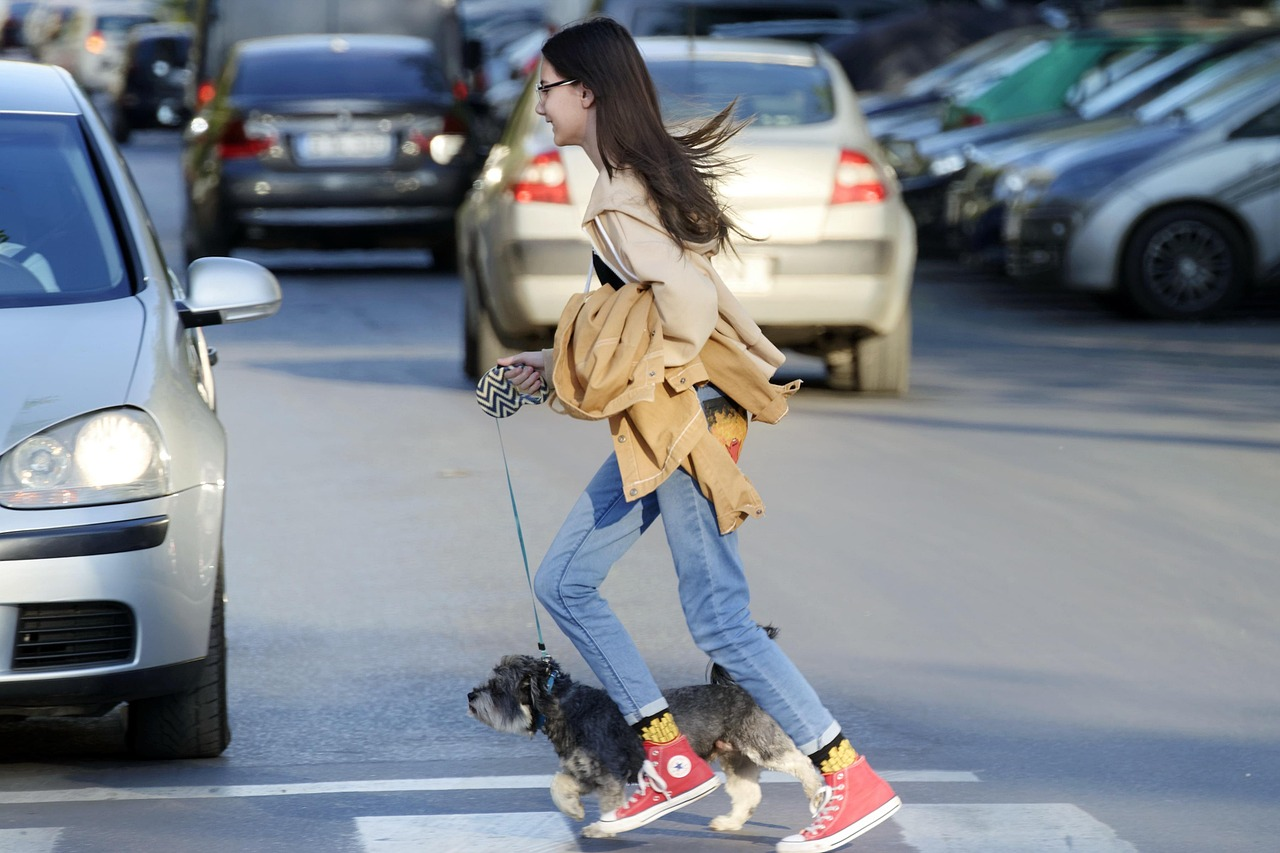
Kids deserve calm, predictable crossings. With a few repeatable habits, you can turn busy streets into places where children move with steady confidence. Keep practicing the routine, keep routes forgiving, and keep talking with the people who share your roads.
Progress shows up in tiny moments – the pause at the curb, the wave to a driver, the careful look past a turning car. Those choices add up, and they make every walk safer.