
 Mia
Mia
Most people view their house as a safe spot from the rest of the world. It is the place where you go to relax after a long day of work at the office. You expect the air and the structure to keep you protected from the elements.
Sometimes the very walls around you hide risks you cannot see or smell with your nose. Small issues can grow into big medical bills if you leave them alone for too long. These hidden problems can damage your lungs or make it hard for your family to sleep well.
Invisible Gas Risks
Certain gases can leak into a basement without any warning signs for the homeowner. These substances often come from the natural soil beneath the foundation of the building. They seep through tiny cracks in the concrete floors and build up.
You might not notice a change in the air quality for many years. It is a smart move to test the lower levels of a property for these silent threats every 2 or 3 seasons. A simple test kit can find these dangers before they cause any harm to your body.
Fixing a crack in the basement floor can stop the flow of these dangerous elements right away. Simple fans and vent pipes help move the bad air outside to keep everyone in the home healthy. This helps keep the air clear for the bedrooms on the upper floors of the house.
Air Quality Hazards
Indoor air can be much dirtier than the air outside your front door or in the backyard. Dust and pet dander gather in the corners of every room when there is not enough airflow. These tiny particles stay in the air for a long time and enter your lungs with every breath.
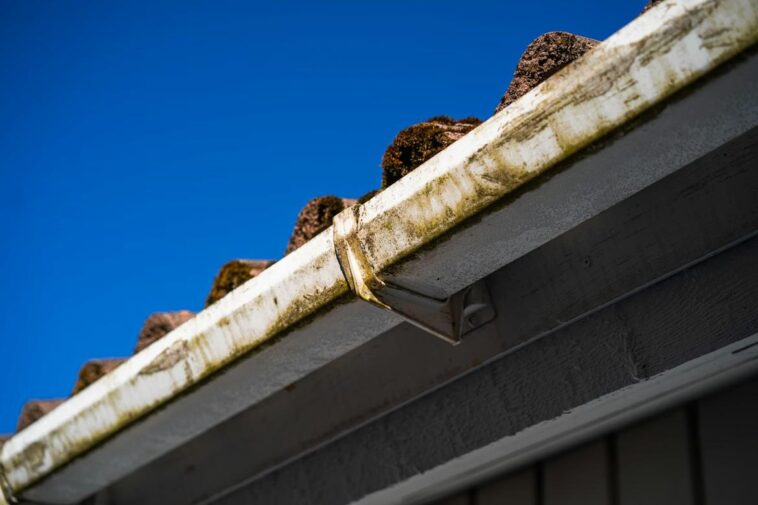
Clogged air filters make a heating system work much harder than it should during the winter months. When leaks or ceiling stains begin to appear, many property owners turn to O’Donnell Roofing or other trusted contractors for thorough inspections and reliable repairs. Keeping the roof in good condition helps prevent moisture from entering the home and affecting indoor air quality.
Dirty filters in a furnace can spread pollutants through the metal vents in every wall. Changing these filters every 3 months keeps the breeze clean and fresh for your lungs. It costs less than $20 to replace a filter and can save your health in the long run.
Structural Issues And Wellness
Holes in the walls or the roof let more than just rain into a living space. Pests often find their way inside through these tiny cracks and leave waste behind in the attic.
An agency report on environmental safety explained that radon is a human carcinogen and represents the 2nd leading cause of lung cancer. These levels can rise when a building is sealed too tightly without proper paths for air to move. Testing the air in your basement is the only way to find this gas and stay safe.
Regular checks of the attic and crawl space prevent these issues from getting worse. Keeping the foundation solid protects the health of every person in the family. Small repairs prevent the growth of moisture that leads to bigger problems for the whole structure.
Moisture And Respiratory Health
Water damage behind a shower or under a kitchen sink creates a breeding ground for germs. Damp wood stays soft and starts to rot quickly since it is not dried out by a fan.
A medical journal article pointed out that recent studies show more cases of respiratory infections and higher risks for chronic lung diseases. Living in a space with poor ventilation increases these health risks for young children.
Using a dehumidifier in the summer keeps the humidity below 50 percent in the basement area. This prevents the growth of things that make it hard to take a deep breath when you sleep at night. Dry air is much better for your lungs and your home.
Dust And Allergen Problems
Old carpets can hold onto pounds of dirt and skin cells over many years of heavy use. Walking across the floor kicks these particles up into your face, where you breathe them in.
Hard floors are often easier to keep clean than thick rugs or old carpet. You can see the mess on the wood and wipe it away with a damp mop or a simple cloth.
Reducing Bedroom Allergens
Reducing the amount of fabric in a bedroom can help with your sleep at night. Taking a few steps to clean your sleeping area will make a big difference in how you feel.
- Wash sheets in hot water once every 7 days.
- Use special covers on pillows to block dust.
- Keep windows shut during high pollen days.
Chemical Exposure At Home
Cleaning supplies under the kitchen sink often contain strong acids or chemicals like bleach. Mixing the wrong liquids creates a gas that can burn your throat or make you feel dizzy. These items should stay in a locked cabinet away from children and pets.
Natural cleaners like vinegar or baking soda work well for most daily chores around the house. These options do not leave behind harsh smells that irritate the eyes or the skin. They are much safer for the air you breathe as you clean the floors.
Storing paint cans in a shed instead of a hall closet is a smart move for long-term safety. This keeps the fumes away from the spots where people spend most of their time during the day. Fresh air is the best way to keep a home feeling clean and healthy.
Managing Home Safety
Small repairs today save thousands of dollars in the future for most property owners. A tiny leak in a water pipe can lead to a massive problem with the floorboards if it is ignored for months. Staying ahead of these tasks keeps the home value high and the air clean.
Checking the batteries in smoke detectors and carbon monoxide alarms is a task to do every 30 days. These 5-minute checks provide a layer of security for the whole house and everyone inside. You can set a reminder on your phone to make sure this gets done.
Learning about the history of a property helps you spot old lead paint or bad electrical wires. Taking care of a home is a constant job that pays off in physical health for many years. It is a smart investment in your future and your well-being.
Keeping a house in top shape is about more than just looking good to the neighbors on your street. It is a way to protect the people you love from hidden dangers that hide in the walls. Taking the time to look for small problems now prevents bigger health issues later in life.
Simple habits like opening a window or checking for leaks make a huge difference in how you feel every day. Your home should be a place where you can breathe easy and stay strong. Focus on making small changes today to keep your living space safe and healthy for the future.