
 Mia
Mia
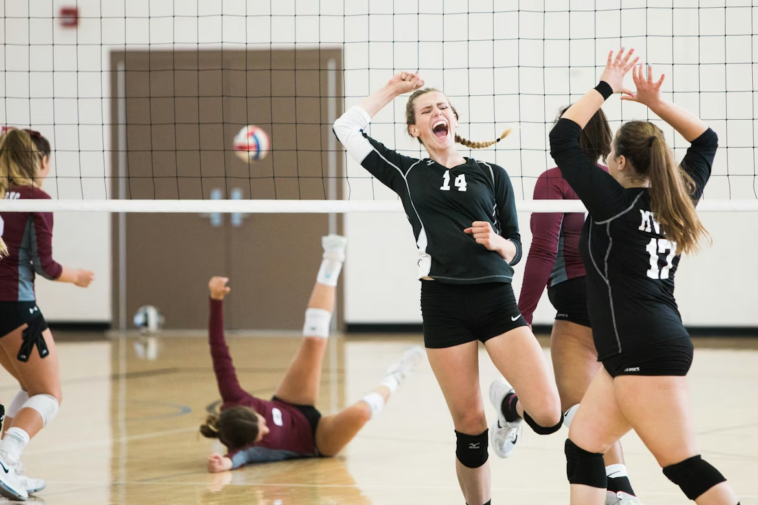
Uniforms are more than matching outfits. They shape how athletes see themselves and how teams connect. When the kit feels right, players move with purpose, trust each other, and play with clearer focus.
The Psychology Behind Uniforms
Uniforms cue role and readiness. They tell a player it is time to step into a bigger version of themselves, which steadies nerves and sharpens attention.
The link between kit and mindset is practical, not abstract. A well-designed custom football uniform sets a tone before kickoff, helping athletes feel prepared and visible to one another. When the look matches the team’s values, confidence becomes a shared baseline.
Details matter. A jersey that fits cleanly reduces tugging and distraction. Number placement, typography, and even fabric sheen signal order and cohesion. Together, these signals create a pregame routine in cloth.
Color, Symbols, And Team Identity
Color tells a story fast. Bold hues help players find teammates at a glance and feel part of something bigger. Crests and stripes become shorthand for tradition, so wearing them ties today’s squad to past wins and lessons.
Symbols shape behavior. When a uniform carries a motto or mark that the team respects, players often match their effort to that meaning. Clear identity trims hesitation and helps athletes choose aggressively and together.
Consistent use of color and symbols strengthens recognition beyond the field. Fans, families, and opponents quickly associate the look with a certain style of play or mindset. This shared visual language reinforces pride and accountability within the group.
Even small design details can cue focus, discipline, or resilience when pressure rises. A strong identity gives teams something to rally around when the game tightens.
Fit, Comfort, And Movement Confidence
Confidence grows when gear disappears in motion. Stretch woven fabrics, ventilated panels, and flat seams let players accelerate, cut, and collide without thinking about rub or pull.
If the jersey stays put and the pants do not ride, athletes stop managing their clothes and start managing the game.
Visibility counts too. High contrast numbers and clean color blocking help teammates read spacing and timing. In football, where plays unfold in seconds, seeing and being seen feeds trust and reduces split-second doubt.
Gendered Design And Body Image
Uniform design can lift or undercut confidence for women and girls. Researchers at Massey University reported that cut, coverage, and color influence anxiety and how comfortable female athletes feel on the field.
Their work highlights that even small changes to length or fabric can shift self-focus from unease to performance.
Body image pressures are real and measurable. A position statement from USA Cheer cited a University of South Carolina study in which 68% of cheer athletes felt self-conscious in their uniforms, and 74% said uniform standards hurt their body image.
When teams adopt options for coverage and fit, athletes report lower distraction and stronger buy-in.
Ritual, Consistency, And Collective Efficacy
A team’s look can act like a ritual. Pulling on the same jersey every week builds a cue that says we are ready.
A peer-reviewed article in PLOS ONE noted that performance depends on physical skill and on psychological strengths, which uniforms can help anchor through routine and identity reinforcement.
Consistency reduces cognitive noise. When every player matches from helmet to socks, the field picture becomes easier to read.
Communication speeds up. Players trust that the person in their peripheral vision is one of theirs, and they commit to the next action without pause.
Practical Takeaways For Coaches And ADs
Small choices add up. Use these quick checks to align identity with confidence:
- Prioritize fit and coverage options for diverse bodies
- Choose high contrast numbers and clear typography
- Limit visual clutter that does not serve recognition
- Test fabrics in humidity, heat, and cold
- Involve athletes in try-ons and feedback
- Keep core elements consistent across seasons
When you prototype, evaluate movement first. Sprint, cut, tackle, and celebrate in the sample kit. If the uniform stays silent during all four, you have a base that supports performance.
Visibility, Safety, And Fair Play Perception
Uniforms affect how opponents and officials read the game. Clean contrast between tops, pants, and numbers helps everyone track players in traffic. That clarity supports fair calls and smoother play, which feeds a team’s sense of control.
Crowd perception matters too. A strong, consistent look signals professionalism and care. Athletes often mirror that signal in posture and effort, turning appearance into action without forcing it.
Uniforms will not win a game alone, but they shape the space where wins are made. When a team wears identity with comfort and clarity, players free up mental energy for decisions that matter. That is the quiet edge a good kit delivers, snap after snap.