
 Mia
Mia
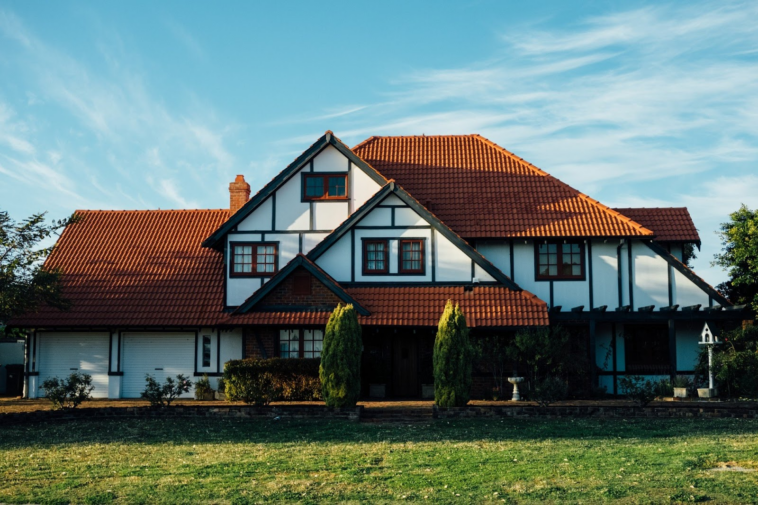
Managing a building comes with many small tasks that fill up a day. It is easy to overlook the flat surface overhead when everything inside seems fine. Neglecting the roof can result in massive repair bills that hit the bottom line hard.
Catching issues before they turn into emergencies keeps the workplace safe for everyone. Small signs of wear hide bigger problems that might disrupt daily operations.
Hidden Water Damage Risks
Water has a way of finding the smallest path into a structure. It can travel far from the original entry point, making the source hard to find. These leaks can go unnoticed for weeks or months behind walls and ceilings. Catching moisture early prevents mold from growing and spreading through the vents.
Stains on the ceiling are a clear sign that moisture is getting past the outer layer. If you see damp spots, the insulation underneath is already soaked. Replacing wet insulation adds to the total cost of any repair. Professional inspectors use thermal cameras to find these wet spots before they rot the roof deck.
Visible Signs Of Wear
Regular checks from the ground or a ladder can reveal a lot about the health of a building. If you are focusing on the roofing, schedule annual checkups for residential and commercial roofing to identify wear before the rainy season starts. Small changes in the texture or color of the materials might mean it is time for a professional look. Identifying shifted tiles or missing shingles prevents moisture from seeping into the building.
Watch for loose flashing around vents and pipes. If the metal edges are pulling away, wind and rain will get underneath. Strong winds can lift these edges and peel back large sections of the surface during a storm.
Energy Efficiency Problems
High power bills in the summer or winter might indicate a problem with the building envelope. A commercial roof without proper insulation can lose up to 25% of its heat. Improving the thermal layer keeps the indoor climate steady. Poor insulation makes it hard to maintain a comfortable temperature for staff and customers.
Modern materials reflect sunlight and keep the structure cool. Old roofs absorb heat, which forces the air conditioning system to run all day long. Upgrading to a reflective surface can lower monthly costs. It’s a simple change that reduces the carbon footprint of the business and saves thousands of dollars.
Structural Integrity Concerns
Heavy rain or snow can put a lot of pressure on a weakened support system. If the roof starts to sag, the weight of standing water might cause a collapse. Keeping the drainage systems clear is a top priority for any facility manager.
- Clean out the gutters and downspouts every few months
- Check for pools of water that stay on the surface for more than 48 hours
- Inspect the interior beams for signs of bowing or cracking
Structural issues are the result of long-term neglect. Small leaks rot the wooden supports or rust the steel frames. Catching these early keeps the building stable and safe for employees. No matter how small, a sagging roof is an emergency that needs a professional opinion right away.
Budgeting For Materials
Prices for building supplies change based on global supply chains and shipping costs. PVC roofing materials are facing price inflation of up to 12% in the coming years. Business owners should plan their budgets early to avoid these sudden spikes in project costs.
Using high-quality materials might cost more upfront, but they last much longer. Synthetic membranes offer great protection against UV rays and chemical spills. Choosing the right product for the local climate extends the life of the entire system. Investing in durability means fewer repairs and a higher property value when it’s time to sell.
Maintenance Timing And Weather
Fixing known issues in 2024 creates a watertight roof for the 2025 storms. Waiting until a leak starts during a hurricane makes finding a contractor very difficult. These repairs are easier to complete when the weather is mild and dry.
Spring and fall are the best times to have a professional walk the roof. Clear skies allow the adhesives and sealants to cure properly for a long-lasting bond. Regular maintenance schedules prevent small leaks from becoming major disasters when the heavy rain starts. A quick inspection twice a year is enough to catch most problems before they grow.
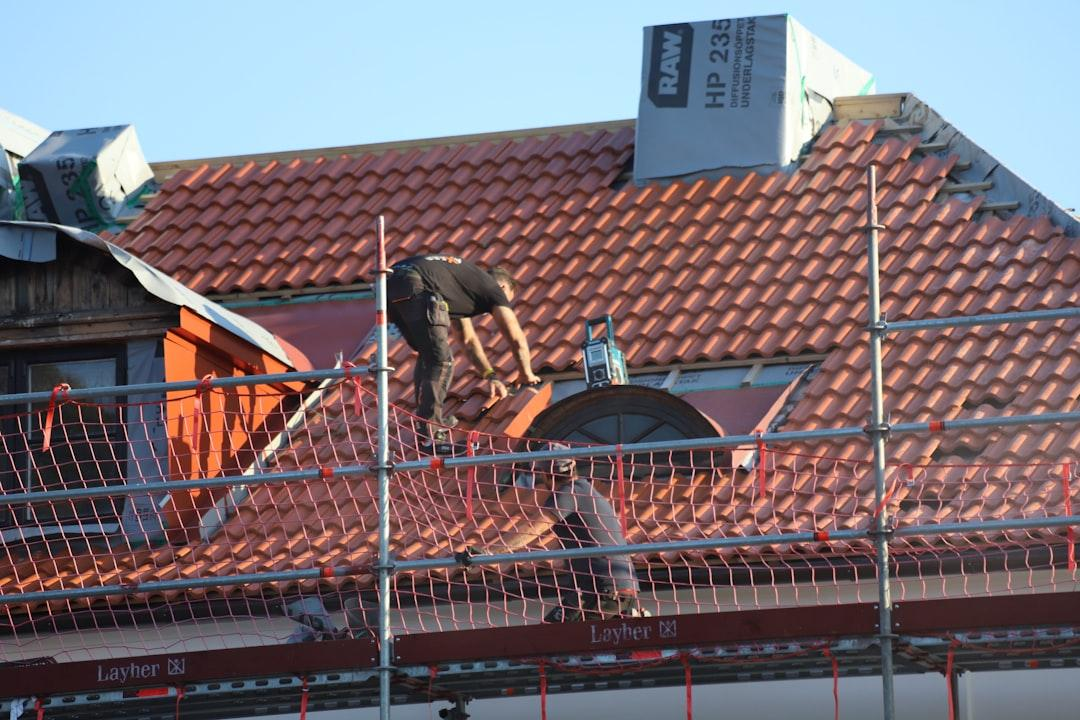
Protecting a business starts with a solid structure that keeps the elements outside. Ignoring small drips or minor cracks only leads to bigger headaches. Keeping a regular schedule for inspections and repairs guarantees that the building stays functional for years.
Staying proactive about maintenance is the best way to avoid the stress of an emergency roof failure. Take a look at the roof today to see if any signs of wear need attention.