
 Mia
Mia
Keeping your home exterior in shape is not just a spring chore. Each season brings new stress on roofs, siding, and drainage. Use this checklist to plan simple tasks that prevent small issues from turning into big repairs.
Start With a Walkaround on Spring
Give the entire exterior a slow look after winter. Scan the roofline, gutters, siding, and foundation for anything that looks off. Take photos so you can compare changes later.
Roof And Gutter Check
Keeping roofs and gutters in good condition is one of the most important steps in exterior maintenance, as even minor leaks or blockages can lead to significant damage over time. Many homeowners rely on professionals who handle everything from roof repairs to replacements because trained experts can recognize underlying issues that are easy to overlook. This includes flashing, drainage points, and areas with repeated moisture exposure.
Siding, Paint, And Sealants
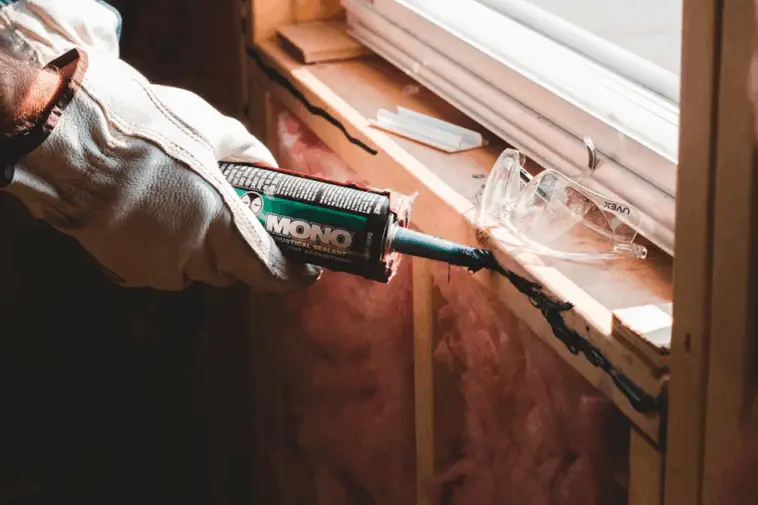
Check siding for cracks, warping, or open seams. Re-caulk around windows and trim where gaps have formed. Touch up paint to seal exposed wood before water finds a path inside.
Windows And Doors
Open and close each window to test movement and check weep holes. Inspect weatherstripping and replace sections that are brittle or torn. Clean screens and repair any holes that invite bugs.
Prepare For Heat And Storms in Early Summer
Hot sun and sudden storms can expose weak spots. Tighten loose fence posts and check gates. Make sure patio covers and pergolas are properly anchored.
Roofing Priorities Before Peak Heat
Look for granule loss in gutters that hints at shingle aging. Trim back branches at least a few feet from the roof to reduce abrasion and pest access. If your roof is near the end of its life, schedule estimates in early summer before contractor calendars fill up.
Shade, Vents, And Attic Health in Mid-Summer
Attic heat can bake shingles and raise cooling costs. Confirm that ridge and soffit vents are open and not blocked by insulation. Add attic fans or boost insulation if heat builds up too fast.
Manage Exterior Wood
Decks, rails, and fences need a fresh seal every 1 to 3 years, depending on exposure. Test by sprinkling water on the boards. If it soaks in instead of beading up, it is time to clean and reseal.
Storm Season Readiness
Clear yard items that can become projectiles. Check that sump pump discharge lines are not buried or blocked. Keep a basic tarp and a bundle of exterior-rated screws in case you need a short-term roof patch after a storm.
Safe Equipment Use Matters
A federal safety agency has warned that storm cleanups raise the risk of carbon monoxide incidents from portable generators. Their guidance stresses using generators outside and far from doors or windows to prevent deadly gas from entering the home. Take that advice seriously during power outages and keep working carbon monoxide alarms on every level.
Plan Big Repairs in Late Summer
Some jobs are easier in dry weather. Plan siding replacement, major paint, and window swaps now. Order materials early if supply is tight in your area.
The Roof Decision You Might Be Avoiding
You do not have to guess whether a roof can be patched or if it needs a redo. Schedule a qualified inspection, and ask for photos of damage and remaining life. In many cases, repairs are enough – although if the field shingles or decking are failing widely, your contractor may recommend roof replacements – and you should request line-by-line options so you can compare costs and warranties. Use those details to plan the right level of work for your budget.
Drainage And Leaf Control in Early Fall
Leaves fall fast once temperatures drop. Fit gutter guards or set a schedule to clear gutters and leaders often. Make sure downspouts extend 4 to 6 feet away from the foundation.
Quick Yard Fixes
Rake leaves off the roof and out of valleys before they hold moisture. Grade the soil so that water moves away from the house. Keep mulch a few inches from the siding to discourage pests.
Exterior Paint And Old Homes
If your home was built before 1978, be careful when sanding or scraping exterior paint. A federal renovation program warns that disturbing old coatings can create harmful dust, so certified methods and cleanup are key. Protect your family and your pets by following safe work practices when you prep siding, trim, and porches.
Chimneys, Vents, And Caps
Check metal flashings where walls meet roofs and around vent stacks. Make sure chimney caps are secure, and screens are intact to keep out birds and squirrels. Seal small gaps with high-quality exterior sealant to block wind-driven rain.
Freeze, Thaw, And Ice for Winter Prep
Cold snaps test every seal. Replace worn weatherstripping and add door sweeps. Insulate hose bibs and drain exterior lines so they do not burst.
Walkways And Safety
Repair trip hazards before they hide under snow. Store sand or ice melt where you can reach it easily. Test motion lights and replace bulbs so paths stay visible.
Seasonal Power And Backup Plan
Outages are more common during storms. If you rely on a portable generator, place it outdoors on level ground and away from openings. Never run it in a garage or under a porch where exhaust can gather.
- Keep fresh fuel and the right oil on hand
- Use outdoor-rated extension cords with intact insulation
- Test carbon monoxide and smoke alarms monthly
- Store spare batteries and a flashlight for each family member
Water Management All Year
Water is your home’s biggest enemy outside. Keep downspouts clear and splash blocks in place. Re-check the slope and add extensions if you see puddles near the foundation.
Hardscape, Grading, And Erosion
Inspect retaining walls, pavers, and concrete for shifting or cracks that channel water toward the house. Reset loose stones and fill joints with sand. Add gravel trenches or a French drain if runoff is too strong for soil alone.
Driveways And Walkways
Seal asphalt every few years to reduce cracking. For concrete, caulk small gaps before freeze-thaw can widen them. Sweep deicing products off surfaces after storms to protect plants and keep residue out of drains.
Landscaping That Protects The House
Plants should help manage water and wind, not trap it. Keep shrubs trimmed back from siding by at least 1 foot. Choose native plants that handle local weather without constant watering.
Tree Care Basics
Remove dead limbs that could fall on the roof. Hire a certified arborist for large pruning and any work near power lines. Mulch tree bases lightly and keep mulch off the trunk.
Pest Watch In Every Season
Look for small holes at eaves and sill plates where rodents can squeeze through. Install screens on attic and crawlspace vents. Swap out chewed weatherstripping and seal gaps with steel wool and caulk.
- Clean gutters so they do not become mosquito habitats
- Store firewood at least 20 feet from the house and off the ground
- Keep trash lids tight and rinse recycling to avoid attracting wildlife
- Repair torn screens and door sweeps to block insects
Seasonal Maintenance Calendar
Break the year into four quick checks so you do not forget key tasks. Aim for spring and fall deep dives, with shorter summer and winter touchups. Keeping notes will help you spot patterns like a downspout that clogs every October.
When To Call A Pro
You can handle many exterior chores, but some jobs need training or special gear. Roofing beyond minor patching, tree removals, structural cracks, and electrical work should be left to licensed pros. Plan so you are not forced into a rushed decision after a storm.

Your home’s exterior shields everything inside. A steady rhythm of small tasks keeps that shield strong and saves money over time. Use this checklist each season, and you will head into the next one ready for whatever weather brings.