
 Mia
Mia
Ensuring your pet’s health and wellness is an ongoing journey that requires careful consideration of their nutritional needs. Proper nutrition is important for maintaining your furry friend’s weight and for fostering a healthy lifestyle that includes strong bones, robust immune function, and vibrant energy levels.
Given the vast array of pet food products available, making informed choices can feel overwhelming. This guide offers practical and straightforward nutrition tips that can help support your pet’s long-term health.
Understanding Your Pet’s Nutritional Needs
Each pet is unique, so understanding its specific nutritional needs is crucial. Factors such as age, breed, weight, and activity level must be taken into consideration when selecting food. Puppies require more calories and different nutrients compared to adult or senior dogs.
Large breeds may need special joint support supplements, while smaller breeds might benefit from nutrient-dense treats. Consulting your veterinarian can offer personalized recommendations tailored to your pet’s individual health profile. This professional guidance helps ensure that your beloved animal receives the necessary nutrients to thrive.
The Role of High-Quality Ingredients
Ingredients play a significant role in a pet’s health. Choose pet foods that contain high-quality, whole food ingredients rather than fillers or artificial additives.
Look for foods that list real meat as the first ingredient in the composition. Meat provides protein that supports muscle and tissue health, while whole grains and vegetables contribute vital vitamins and minerals.
For added nutritional value, consider incorporating supplements that boost your pet’s dietary intake. The inclusion of C.E.T. Veggiedent Fr3sh Tartar Control Chews or a similar product can aid in dental health while providing additional vitamins. These chews support teeth and gum health and add an enjoyable treat to your pet’s diet, making healthy choices easier and more appealing.
Hydration As An Important Component
Water is vital for every aspect of a pet’s well-being. Ensuring your pet has constant access to fresh water helps prevent dehydration, promotes digestion, and supports bodily functions.
Particularly in hot weather or during exercise, your pet’s water intake should be monitored closely. Pets may not drink enough water solely from their bowl.
If this is a concern, consider incorporating wet food into their diet, as this can increase their moisture intake. Regularly refreshing your pet’s water bowl can encourage drinking, providing them with optimal hydration throughout the day.
Understanding Special Dietary Needs
Some pets may have special dietary requirements due to health conditions such as food allergies, diabetes, or obesity. Identifying these needs early on is key to preventing severe health issues down the line.
If your pet experiences symptoms such as vomiting, diarrhea, or unusual weight changes, it may be time to revisit their diet. Specialty foods designed for certain health concerns are available and can make a significant difference in your pet’s quality of life. Your veterinarian can guide you in selecting the right food to address these specific conditions, ensuring that your pet receives the nutrition necessary for their health concerns.
Portion Control and Meal Scheduling
Feeding your pet the right portion sizes is a vital aspect of maintaining a healthy weight. Overfeeding can lead to obesity and the complications that come with it. Manufacturers often provide feeding guidelines on their packaging, but these should be adjusted based on your pet’s unique needs.
Establishing a consistent meal schedule can help regulate your pet’s metabolism and digestion. Instead of leaving food out all day, try offering meals at the same times each day. This predictability can foster healthy eating habits and allow you to monitor your pet’s food intake more effectively.

Incorporating Treats Wisely
Treats play a key role in the bonding experience between pets and owners. They must be given wisely. Select beneficial treats rather than those packed with sugars and artificial ingredients.
Use treats as a reinforcement tool during training. Ensure they do not exceed ten percent of your pet’s daily caloric intake.
Training sessions can be a great opportunity to introduce healthy treats such as carrot sticks or green beans, providing nutritional value while enhancing your pet’s behavior. When choosing store-bought options, check for quality ingredients to ensure these extra snacks contribute positively to your pet’s everyday nutrition.
The Importance of Regular Vet Check-Ups
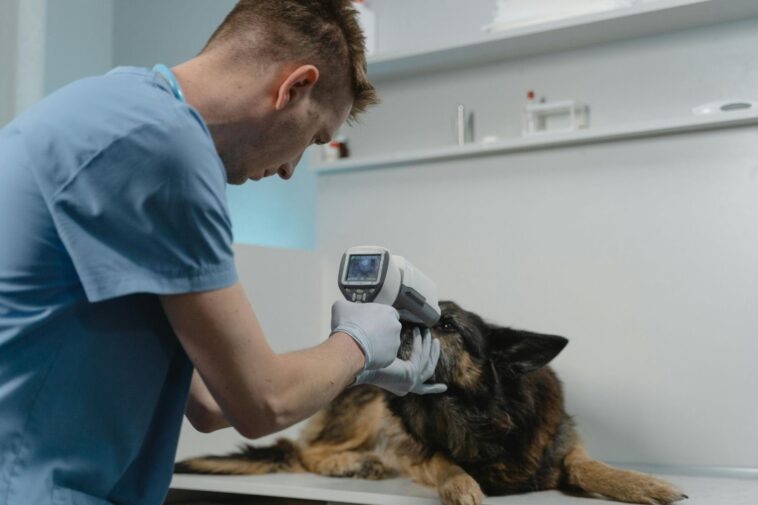
A critical component of long-term pet health and wellness is maintaining regular veterinary visits. Routine check-ups allow you to monitor your pet’s weight and health, ensuring that their dietary needs adjust accordingly as they age.
Your veterinarian might suggest unique diet changes tailored to your pet’s specific health situations. Staying proactive about pet health can help catch any potential issues early, allowing for timely interventions that can significantly improve your pet’s quality of life. Staying informed and attentive to your pet’s health will lead to a longer, happier life for your furry companion.
By incorporating these simple nutrition tips into your pet care routine, you can significantly enhance your pet’s health and wellness for years to come. A focused approach to their diet, hydration, and care benefits your pet and strengthens the bond you share with them. A happy and healthy pet is a source of joy and companionship, making every effort worthwhile.