
 Mia
Mia

Keeping your home comfortable and secure doesn’t always require major renovations or expensive upgrades. In many cases, small improvements done consistently can create meaningful change.
Whether you want better peace of mind, more control over your space, or a simpler daily routine, there are practical steps that make a noticeable difference without feeling overwhelming.
These methods work for homes of any size and can be tailored to your budget, schedule, and lifestyle.
Strengthening Your Home’s First Line of Defense
Your home’s exterior and entry points determine how protected and comfortable you feel inside.
The materials around your roof, windows, and doors influence everything from temperature control to long-term durability. Roofers from Buckeye State Roofing say that paying attention to these areas early often prevents future inconvenience when outdoor conditions shift. Focusing on the outer structure creates a solid foundation for other improvements and reduces stress since the most vulnerable areas are handled first.
One of the easiest places to begin is by checking for worn seals, cracks, or loose components around exterior surfaces. Tightening these weak spots can help cut draftiness, keep indoor temperatures consistent, and reduce the strain on heating or cooling systems.
These adjustments help keep pests and water out, which prevents long-term damage and helps your home remain a healthy environment. By dealing with smaller issues right away, you avoid larger, more complicated repairs later.
Simple Upgrades That Boost Comfort and Security
Not every improvement needs heavy tools or professional intervention. Several small improvements can make your home feel safer and more comfortable almost immediately.
They help reduce waste, prevent extra noise, and create a more relaxing atmosphere. These adjustments fit into busy schedules, making them ideal for homeowners who want practical results without major renovation projects.
- Install motion-activated exterior lighting to deter trespassers and improve nighttime visibility.
- Seal gaps and add weatherstripping around doors and windows to reduce drafts and maintain stable temperatures.
- Replace or reinforce deadbolt locks and exterior door hardware for stronger entry points.
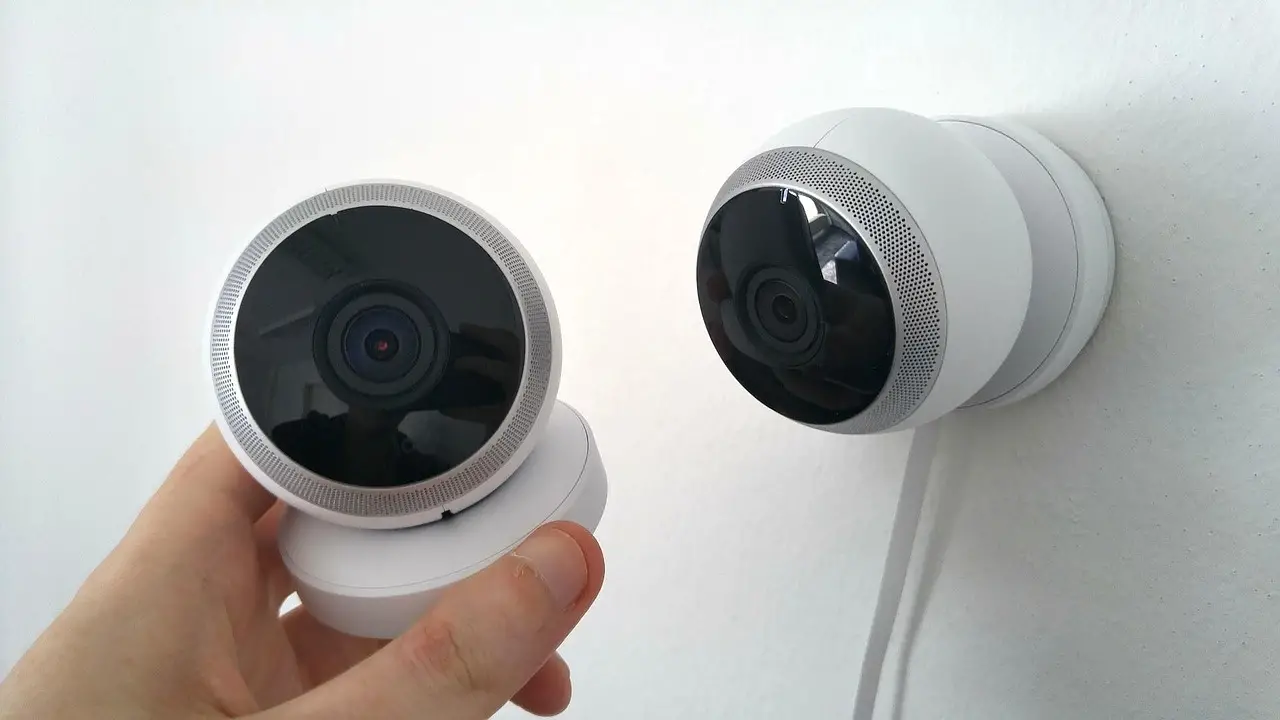
- Add a smart doorbell or camera for simple and remote monitoring.
- Improve attic insulation or schedule a general exterior check to reduce heat loss and outdoor noise.
These minor updates combine to form a more secure and efficient home, and each one brings measurable benefits. Together, they help create a more comfortable daily living environment.
Improving Indoor Airflow and Temperature Balance
Comfort inside the home depends heavily on how well air circulates and how consistently temperatures are maintained.
Poor airflow can create hot or cold pockets, reduce energy efficiency, and make rooms feel stuffy. A few small changes can significantly improve your home’s climate.
Start by guaranteeing that vents, fans, and radiators are not blocked by furniture or clutter. When airflow is unrestricted, heating and cooling systems work more efficiently.
Cleaning or replacing air filters helps maintain good air quality and prevents dust buildup inside ducts. If some rooms feel inconsistent compared to others, adjusting vent direction or using small circulating fans can help even out temperature differences.
Homes with older windows or gaps may experience uncomfortable drafts. Applying weatherstripping or using insulating curtains helps stabilize temperatures, leading to fewer fluctuations and a more pleasant indoor environment.
These adjustments make the home feel calmer and improve relaxation, particularly during extreme weather.
Upgrading Lighting for Safety and Well-being
Lighting has a major impact on how safe and comfortable your home feels. Well-placed lighting reduces tripping risks, improves visibility, and creates a more welcoming atmosphere.
Swapping older bulbs for brighter, long-lasting options improves energy use and guarantees consistent coverage throughout your living spaces.
Add soft-tone lighting in relaxing areas like bedrooms or living rooms, and use brighter lighting in workspaces such as kitchens, hallways, and entry points.
Layering light sources, such as combining overhead lights with small lamps, increases flexibility and gives each room a clearer sense of purpose. Exterior lighting upgrades further improve security.
Maintaining Outdoor Areas for Safety and Practicality
Your property’s outside features contribute significantly to comfort, security, and long-term maintenance. Well-kept yards and walkways reduce hazards and give your home a more organized look.
Clearing debris, trimming overgrown shrubs, and checking pathways after seasonal changes helps create a safer environment for movement day or night.
Outdoor maintenance protects the exterior of the home. Leaves, branches, and standing water can slowly contribute to surface damage if left unattended.
Keeping these areas tidy supports better drainage, reduces mold growth, and guarantees a cleaner surrounding that feels easier to manage.
Creating a Routine That Reduces Stress and Improves Safety
The best improvements happen when they become part of an easy routine. Monthly visual checks, seasonal cleaning habits, and scheduled inspections help you stay ahead of developing issues.
These small steps create consistency and prevent stress by catching problems long before they become disruptive.
Even basic tasks like wiping vents, cleaning window tracks, and inspecting door latches contribute to long-term comfort and peace of mind.
When your home feels organized and well-maintained, it naturally becomes a more secure and enjoyable place to live.