
 Mia
Mia
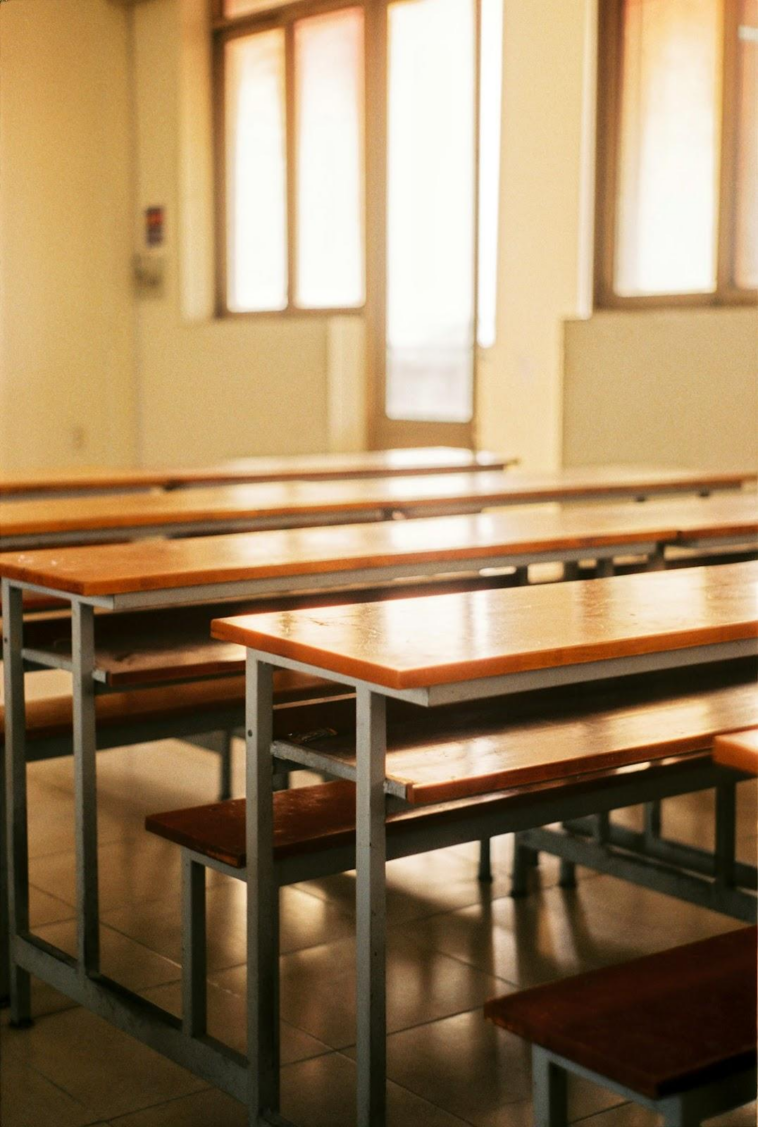
Schools are communities where students spend the majority of their day. Making these spaces feel welcoming and safe can change how kids feel about coming to class. With some small changes, kids enjoy their surroundings and feel less stressed throughout the week.
Create Better Outdoor Areas
Fresh air clears the mind after long hours of sitting in a classroom. Natural sunlight and an open sky provide a mental reset that indoor rooms simply cannot offer. Students who get outside during the day return to their desks with more energy and a better attitude.
Teachers might even take their lessons outdoors on sunny days to keep students engaged with the material in a new way. Nature provides a break from screens, and it gives the eyes a chance to rest from artificial bulbs. Spending time in the sun boosts moods and helps kids burn off extra energy between lectures.
Provide a place to sit and talk. Invest in some sturdy schoolyard benches and tables to create a welcoming space for kids to gather. Placing these items in shady areas or near gardens makes the school feel more like a park than a prison.
Focus On Student Attention
Physical surroundings dictate how well a person can concentrate on a task. A recent report from education officials in Utah found that 75% of public schools saw student inattention hurting the learning process during the last year. Adjusting classroom lighting or reducing noise levels can fix the problem.
Bright bulbs often cause headaches, so switching to softer LED options or natural sunlight is a better choice. Reducing clutter on the walls can stop kids from getting distracted during tests. Quiet zones in the library give students a place to focus without interruptions from the hallway.
Increase Educational Equity
Every child deserves the same chance to succeed regardless of their family background. Global initiatives are working to make the dream a reality by removing financial barriers for students in need. Lebanon is funding tuition for younger grades to help vulnerable children stay in the classroom.
When schools are inclusive, the entire community feels more supported and connected. Providing free supplies or meals removes the stress of poverty from the learning day. Inclusive environments celebrate different cultures and make every student feel like they belong.
Schools that offer extra support for those who struggle create a stronger foundation for the whole group. Removing the cost of books and uniforms saves families over $100 each year.
A school that values every voice creates a safer and more productive atmosphere for all.
Support Growing Populations
The number of students attending school worldwide has increased over the last decade. A 2025 report from the United Nations noted that 110 million more young people have started their education since 2015. Growing completion rates show that more kids are sticking with their studies until graduation.
When hallways and common areas are too small, students can feel cramped and anxious throughout the day. Investing in wider corridors and bigger cafeterias keeps the flow of traffic moving smoothly. Schools can use outdoor spaces to relieve some of the pressure on indoor facilities.
Adding extra classrooms makes it likely that class sizes stay small enough for effective teaching to take place. Every student needs a place where they can sit comfortably and focus on their work without feeling squashed.
Use Flexible Furniture
Modern classrooms are moving away from the traditional rows of heavy wooden desks. With modular furniture, teachers can rearrange the room in minutes for group projects or individual study.
Students can push their desks together to collaborate or move them apart for a quiet test. Having furniture that moves on wheels saves time and effort during transitions. It gives students a sense of control over their own learning environment.
Benefits Of Mobility
Comfortable seating helps kids stay focused on their lessons for longer periods. Providing different types of chairs and tables can accommodate many different physical needs.
- Standing desks for kids who need to move
- Bean bags for reading corners
- Rolling chairs for easy collaboration
Build Sustainable Habits
Integrating nature into the school grounds teaches students about responsibility and the environment. Planting a small garden or starting a recycling program gives kids a sense of ownership over their campus. Working together on a shared project builds strong bonds between different grade levels.
Caring for a garden helps students understand the value of hard work and patience. They see how their efforts lead to the growth of flowers or vegetables over several months. This hands-on learning is more memorable than reading about biology in a textbook.
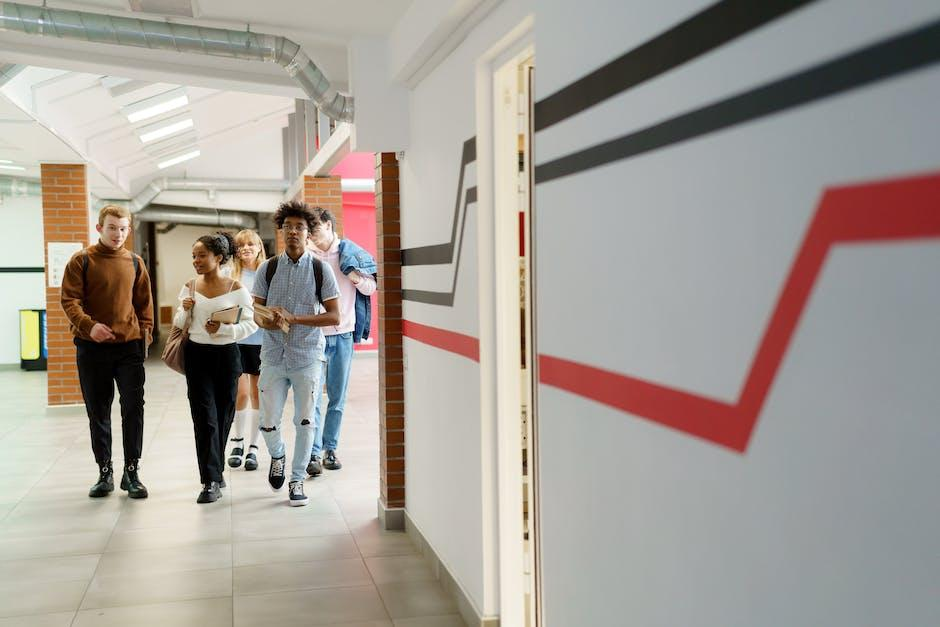
Improving a school does not have to cost millions of dollars or take years to complete. Simple upgrades to furniture or a renewed focus on inclusivity can transform the daily experience for every student. When the environment is right, learning becomes a natural part of the day.
Teachers and administrators have the power to create a space that inspires the next generation. A better school environment starts with a few smart choices and a commitment to student well-being. Everyone deserves a place where they can reach their full potential.