
 Mia
Mia
Your gut does more than digest food. It helps move nutrients into your bloodstream, supports regular bowel habits, and works closely with your immune system and nervous system. When meals are hard to tolerate, energy and mood can feel off, and it becomes harder to stick with healthy routines.
Gut-friendly ingredients are foods and blends that tend to be easier to digest while supporting the microbes that live in the digestive tract. Small choices, repeated each day, can improve comfort and make nutrition feel less like a battle and more like a habit.
Gut Microbiome And Daily Comfort
The digestive tract is home to a large community of microorganisms often called the gut microbiome. This community helps break down parts of food that your body cannot digest on its own.
When the microbiome has the fuel it needs, digestion tends to feel steadier. Many people notice fewer swings between feeling too full, too gassy, or irregular when their diet includes a consistent mix of plant foods.
Comfort is not a perfect measure of health, yet it is a practical signal. If certain ingredients leave you bloated or unsettled, switching to gentler options can reduce stress on the gut while you work on broader nutrition goals.
Fiber Feeds Beneficial Gut Bacteria
Dietary fiber is a reliable gut-friendly ingredient because many fibers act as food for beneficial bacteria. As those bacteria ferment certain fibers, they produce short-chain fatty acids that help support the lining of the gut.
Fiber comes in different forms, and the benefits can differ depending on the type. Soluble fiber mixes with water and can slow digestion, while insoluble fiber adds bulk that helps waste move through the digestive tract more easily.
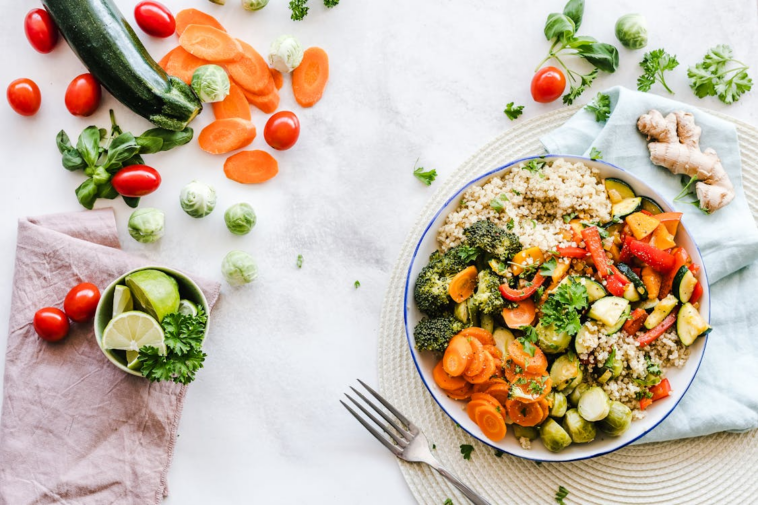
The easiest way to raise fiber intake is to build meals around whole plants. Aim for vegetables, fruits, legumes, nuts, seeds, and whole grains, then adjust portions gradually and drink enough fluids so the change feels comfortable.
Fermented Foods And Targeted Probiotics
Fermented foods, such as yogurt and kefir, can add live cultures to your diet, which may support the gut environment for some people. They can be a gentle starting point because they provide nourishment along with cultures.
Probiotic supplements can be useful in specific situations, but they are not one-size-fits-all. Evidence varies by strain and health goal, and safety matters for people with serious illnesses or weakened immune systems.
If you want to try probiotics, start with a clear reason and a defined time window. Choose products with labeled strains and amounts, and speak with a clinician if you are pregnant, immunocompromised, or managing a complex condition.
Gentle Ingredients And Food Sensitivities
Some people feel better when they limit ingredients that commonly trigger symptoms, such as very high-fat meals, heavy fried foods, or large servings of certain sweeteners. Timing and portion size can matter as much as the ingredient itself.
Gut-friendly choices often focus on simple, familiar foods with short ingredient lists. That can mean oats, chia, bananas, cooked vegetables, soups, and well-cooked grains that tend to be easier to break down.
If you suspect a true intolerance, avoid extreme restriction without guidance. A food and symptom log can reveal patterns, and a qualified professional can help you test changes in a structured way, so you keep nutrition adequate while improving comfort.
Building A Routine That Sticks
Gut-friendly eating works best when it is practical. Keep a few reliable breakfasts and snacks on hand, like yogurt with fruit, overnight oats, or a simple smoothie built from whole ingredients.
If you enjoy blends and pantry staples, choose ones that match your digestion goals and ingredient preferences. You can browse options at the Friendly Blends store and focus on products that highlight fiber sources, simple sweeteners, and clearly labeled ingredients. Start with a small serving size to see how your gut responds.
Pair new foods with steady habits: regular mealtimes, adequate water, and a daily walk when possible. These steps support gut movement and make it easier to notice which ingredients truly help you feel your best.
Less Ultra-Processed, More Whole Foods
Many gut complaints track with diets high in ultra-processed foods that are low in fiber and high in added sugars, sodium, and refined starches. These patterns can crowd out the foods that nourish beneficial microbes and support regularity.
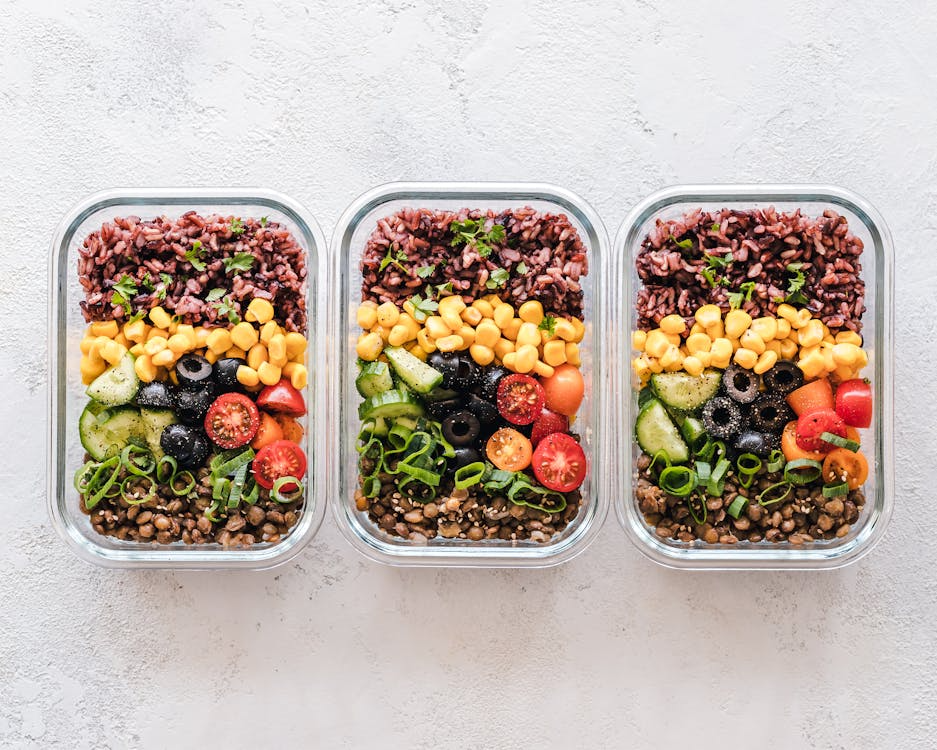
A simple shift is to choose meals that look close to their original form. Build a plate with a fiber-rich plant, a protein source, and a healthy fat, then season with herbs, spices, and citrus to keep it satisfying.
Food labels can help you spot better options. Look for higher fiber per serving and fewer added ingredients, especially if you are watching sugar or sodium.
Choosing gut-friendly ingredients is not about chasing a perfect menu. It is about selecting foods that support the microbiome, provide enough fiber, and feel good enough that you can eat consistently.
Start small and stay observant. With gradual changes, you can build meals that support digestion, improve comfort, and make healthy eating easier to maintain.