
 Mia
Mia
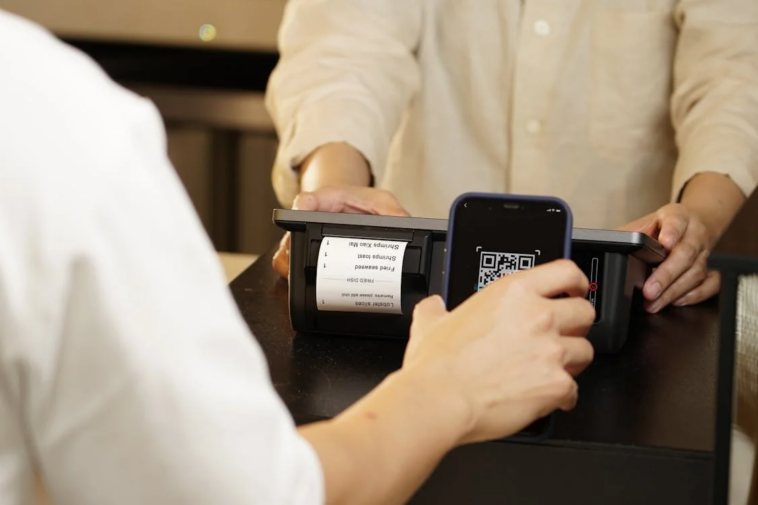
The physical wallet was once a leather case for paper bills and plastic cards. Today, that object is quickly disappearing. People now use encrypted apps and mobile tools to handle their money. These digital systems store payment details and passwords safely. They have moved from being a simple tech tool to the global standard for payments. This change is not just about making things easy. It is a major update to how the global economy works. Businesses and buyers want speed and safety. Because of this, the digital wallet is now the main tool for daily life.
Regional Use Cases for Digital Payments
The underlying code stays the same globally, but the reasons for using these tools depend on the local environment. A person’s location usually dictates why they pick up a digital wallet in the first place. Specific countries offer a clear look at how these tools fix daily problems.
Take Malaysia as an example. The rise of super apps (which are all-in-one platforms that let you book rides, order food, and pay bills in a single place) has shifted how everyone thinks about their daily budget. These platforms have become the center of a person’s financial life. Because these wallet systems move so fast, they have become the top way to add funds to external apps like Shopee for shopping or sports betting platforms. While these shopping or betting sites are separate, independent platforms, they are designed to connect directly with Malaysia’s super apps. A user can make a deposit in Ringgit into their account in a few seconds. Some people choose to use digital coins like Bitcoin or Ethereum because they can get their winnings back in 15 minutes. Once a quick scan replaces the need for a physical card, the old habit of using cash starts to disappear.
Things work a little differently in Nigeria. For many there, a mobile app is the only way to access a bank. Since a physical branch might be several miles away, a phone becomes a vital tool. It lets a person send funds to a friend or pay a monthly bill without leaving their front porch. Having a bank that stays in your pocket changes everything. Brazil has seen a big move in this direction too. The government there backed a system called PIX. It links directly to digital wallets so people can move money instantly at any hour. There are no fees to worry about. Today, a fruit seller on the street would rather you scan a code than hand over paper money. This keeps them safe because they no longer have to carry a thick stack of cash.
The Foundation of Business Change
Moving to digital payments is a core part of how companies modernize. A reliable wallet requires a strong technical system. Many organizations turn to IT and software consulting services to manage this transition. Implementing these gateways involves complex data processing and high safety standards. Professional advice helps businesses move away from slow, paper-based methods. Modern software ensures these systems remain fast and mobile-responsive, allowing a company to grow while keeping funds secure.
For small shops, this shift reduces overhead. Handling physical cash is expensive due to security risks and bank trips. Digital payments create a clear record of every sale, helping owners track stock and prove income for loans. While transaction fees exist, the time saved usually outweighs the cost.
Why Digital Systems are Safe
Trust was once a major hurdle for mobile payments. However, data now proves that digital wallets offer more protection than physical cards. A key factor is tokenization. Experts at Visa found that tokens can cut online fraud by 30%.
The process is simple but effective. When you tap to pay, the merchant never receives your actual card number. The app sends a random code for that single transaction instead. If a thief steals data from the shop, that code is worthless for any other purchase. Mobile wallets also use biometrics like face or finger scans. These locks are much harder to bypass than a handwritten signature. By using your phone, you add extra layers of defense that a plastic card cannot provide.
Challenges for Adoption
The road to a cashless world still has hurdles. Some users find new technology difficult to learn or fear losing access if a phone breaks. In rural areas, poor internet can make a digital wallet unusable. Furthermore, adoption often requires a smartphone and data plan, which may be out of reach for some. For the system to be fair, governments must improve digital access and teach safe usage.
Environmental Impact
Going digital also has a hidden benefit for the planet. Producing paper bills and metal coins requires massive resources, mining, and transport. Digital payments run on servers that, while energy-intensive, often have a smaller carbon footprint per sale than the physical cash cycle. As data centers move to green energy, this environmental edge will grow.
The Philosophy of Invisible Money
Digital wallets are changing our very concept of money. We are entering a world where paying is “invisible.” In this future, your verified digital identity becomes your currency. You will not “make a payment” as a separate chore; instead, your presence will handle the work in the background. This turns banking into a utility, much like electricity; always there, but rarely seen.
This shift raises important questions about privacy. When money is a digital signal, every move leaves a trace. Society must decide how much data to trade for ease. While a physical wallet was a private space, a digital wallet is a door to a network. The challenge for the next decade is to keep that door open for everyone while keeping personal data locked away. Money is becoming as light as air, but we must ensure it remains a tool that serves people.