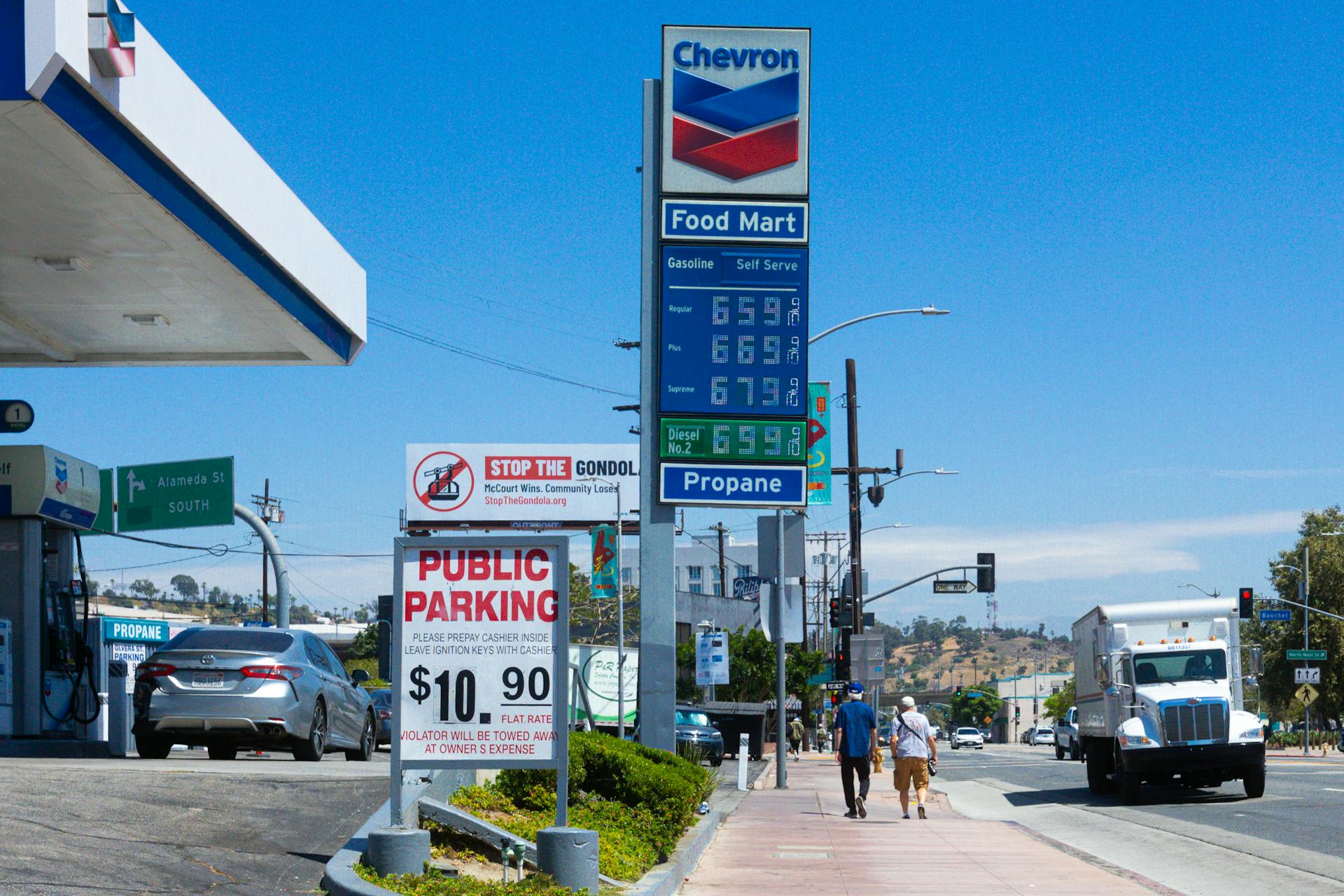
Most contractors don’t sit around thinking about oil prices.
You’re thinking about getting jobs, keeping your crew busy, chasing down bids, and trying to keep everything moving. But whether you’re paying attention to it or not, oil prices are hitting your business from every angle.
And the frustrating part is—it’s not obvious.
It doesn’t show up as one big expense. It shows up in a bunch of small ways that slowly eat your margins.
I Started Noticing This on Real Jobs
I remember talking to a contractor who kept saying the same thing:
“I’m working just as much… but I’m not making what I used to.”
Same type of jobs. Same effort. But somehow the profit just wasn’t there.
So we started digging. Not just the big stuff, but everything. Fuel. Deliveries. Material pricing. Equipment costs.
And what we realized was simple—everything had gone up just a little bit.
Not enough to panic… but enough to hurt.
That’s usually tied back to oil.
And if you’re not adjusting your numbers consistently—or using something like construction estimation services to stay on top of it—you’re basically bidding jobs based on outdated costs.
That’s where people get into trouble.
It’s Not Just Gas Prices—It’s Your Materials Too
Most people think oil just affects what you pay at the pump.
But in construction, it goes way deeper than that.
A lot of materials are tied directly to oil. Asphalt is the obvious one, but it also affects roofing, insulation, plastics like PVC, adhesives, coatings… a lot of the stuff you’re using every day.
So when oil goes up, manufacturers pay more to produce those materials.
And they pass it right down to you.
Now your material costs increase—even if nothing else about the job changed.
And on commercial jobs, where you’re dealing with larger quantities, those increases stack up fast.
Deliveries Start Getting More Expensive
Here’s where it really starts to sneak up on you.
Every job depends on deliveries. Materials don’t just show up out of nowhere.
When oil prices rise, freight gets more expensive. Suppliers start charging more. Sometimes they even shorten how long quotes are valid because things are changing so quickly.
I’ve seen guys get a quote, wait a week or two to lock it in, and suddenly the price is higher.
Not because anyone’s trying to screw them—but because their costs changed.
If your process is slow or your bids aren’t tight, you’re exposed.
Your Equipment and Subs Feel It Too
Think about your jobsite for a second.
Everything runs on fuel. Your equipment, your trucks, generators—everything.
When fuel prices go up, it costs more just to operate.
And your subs are dealing with the same thing. They’re spending more on gas, more on logistics, more on everything.
So naturally, they raise their prices.
Now your job costs more again… even if you didn’t change anything on your end.
That’s where a lot of guys get blindsided.
Commercial Construction Takes a Bigger Hit
Residential jobs react quickly. Commercial jobs move slower—but when they get hit, it’s heavier.
These projects are planned way in advance. So when oil prices start rising, it creates uncertainty.
Developers start questioning budgets. Projects get delayed. Some get redesigned. Some don’t happen at all.
I’ve seen jobs that were basically locked in just stall out because the numbers didn’t feel safe anymore.
That slows down your pipeline whether you like it or not.
The Bidding Game Gets Risky
This is where things start getting dangerous.
When costs go up, not everyone adjusts the same way.
Some contractors raise their prices. Some don’t realize what’s happening. Others underbid just to keep work coming in.
So now you’ve got a market where pricing is all over the place.
Either you’re losing jobs because your numbers look too high… or you’re winning jobs that don’t actually make money.
I’ve seen guys busier than ever and still struggling. That’s usually why.
The Part That Hurts the Most
Here’s the real issue in commercial construction.
You bid a job today. You win it. But the job doesn’t start for 60 or 90 days.
If oil prices go up during that time, your costs go up.
But your contract doesn’t.
Now you’re stuck doing the job at old pricing with new costs.
That’s how your margin disappears without you even realizing it.
What the Contractors Who Are Winning Do Differently
The guys who stay ahead of this aren’t guessing.
They’re updating their pricing constantly. They’re not relying on numbers from last month. They’re tightening how long their bids are valid. They’re staying close with suppliers so they’re not surprised by increases.
And most importantly—they treat estimating like a system.
Not something they rush through.
Because when the market is moving, guessing will cost you money every time.
The Bottom Line
Oil prices might not feel like your problem.
But they are.
They affect your materials, your deliveries, your subs, your equipment—and even whether jobs move forward or not.
And when contractors don’t pay attention to it, they all end up saying the same thing:
“I don’t know where the profit went.”
But it didn’t disappear.
It just got chipped away, one small increase at a time.
Final Thought
You don’t need to track oil prices every day.
But you do need to understand how they impact your numbers.
Because in construction, small changes add up fast.
And the contractors who grow aren’t just the best builders.
They’re the ones who adjust faster than everyone else.
Hey Everyone! This is Mia Shannon from Taxes. I'm 28 years old a professional blogger and writer. I've been blogging and writing for 10 years. Here I talk about various topics such as Fashion, Beauty, Health & Fitness, Lifestyle, and Home Hacks, etc. Read my latest stories.