
 Mia
Mia

Moving out of a commercial space is a major project for any business. Most lease agreements require the tenant to return the unit to its original state. This process can feel complicated for those who have never managed it. Taking the right steps now will save a lot of trouble later.
Defining The Scope Of Work
Most lease contracts have specific clauses about how a space should look at the end of a term. This process involves returning an office to the exact condition listed in the initial agreement. It means removing all the partitions, furniture, and custom changes made during the stay.
Many tenants forget that even small changes count as alterations. If you painted a wall or added a new light fixture, the landlord might want it gone. You need to look at your original move-in photos to see what needs to change. Matching those images is the goal for most projects.
Hiring The Right Team
Commercial spaces require a specific touch to get them ready for the next occupant. Many businesses find that hiring a team for office reinstatement works makes the entire transition much smoother for everyone involved. Relying on experts prevents mistakes that might cause legal disputes later.
These teams handle everything from ceiling repairs to floor grinding. They understand the building codes that must be followed during the teardown process. Having a professional crew on site gives you one less thing to worry about during a busy move.
Common restoration tasks:
- Removing temporary partitions and false ceilings.
- Replacing damaged floor tiles or carpets.
- Checking electrical wiring and fire safety systems.
- Repainting the walls to the original neutral color.
Timing Your Move Properly
Planning for the end of a lease requires a clear head and a calendar. Tenants must account for the time it takes to finish these tasks and start well before the move-out date. Starting late can result in expensive penalties or extra rent payments.
Give yourself at least a few months to get quotes and schedule the labor. Contractors have busy schedules, so book early. Rushing the process leads to higher costs and lower-quality work. You do not want to be painting walls on the final night of your lease.
Managing Risks And Deposits
Losing a security deposit is a common fear for many business owners. Using inexperienced teams can cause big financial losses and the loss of that deposit. Investing in quality work helps protect the money you already paid to the landlord.
Damage to the original structure is a big risk during a teardown. If a worker hits a water pipe or ruins the main electrical board, the bill will be huge. Professional teams carry insurance to cover these kinds of accidents. It is safer to pay for skill than to pay for mistakes.
Talking To Your Landlord
Communication is the best tool for avoiding surprises during a move. A commercial real estate guide recommended checking with the landlord about their expectations as soon as you decide to leave. Knowing their position helps you focus your efforts on the right areas.
The landlord plans to renovate the entire building after you leave. In those cases, they might not need you to remove every single wall. Having this conversation early could save you thousands of dollars in labor costs. Never assume you know what they want without asking.
The Financial Side Of Restoration
Fitting out a space is expensive, but taking it apart has a price tag too. Data shows that the average cost to set up a workspace can reach up to $1,950 per square meter, depending on the location. Budgeting for the end of the lease is just as key as planning the beginning.
The demand for these types of services is growing every year as companies change their floor plans. One market report found that the restoration industry grew to over $52 billion recently. This growth shows how many businesses are currently navigating the complexities of property changes.
Reasonable Expectations In Modern Leases
Not every single change to a building has to be torn down. Some landlords are becoming more reasonable about keeping improvements that might benefit future tenants. Ask if your high-quality upgrades can stay behind.
Sustainable building practices are making this more common. Tearing out perfectly good glass partitions just to throw them away is wasteful. Many property owners prefer to keep useful features to attract new tenants faster and reduce the environmental impact of office turnover.
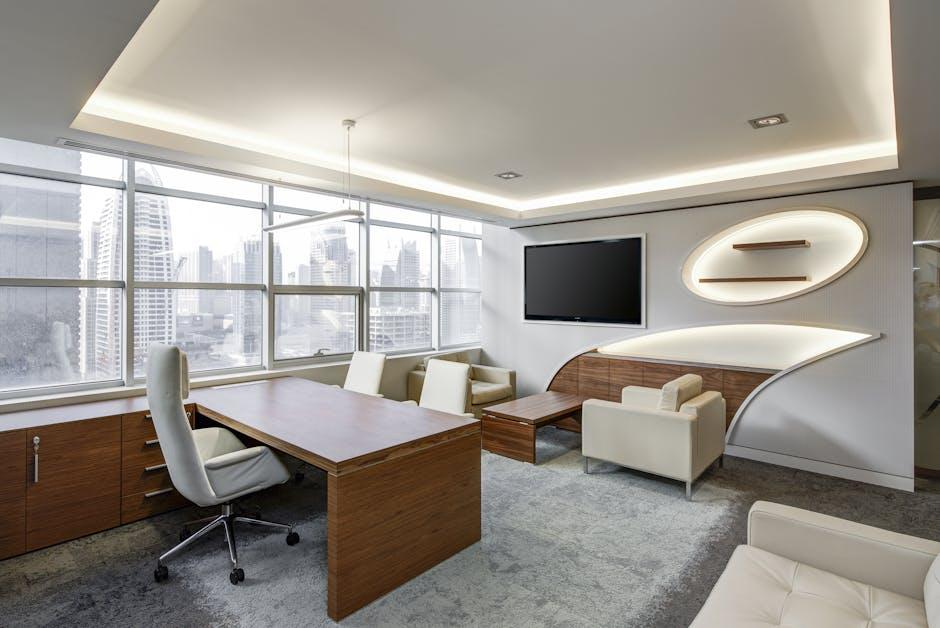
Leaving an office space does not have to be a source of stress. Clear communication and early planning will make the move successful. Focus on meeting your obligations while protecting your financial interests. When you handle the details correctly, you can move into your next chapter with confidence.