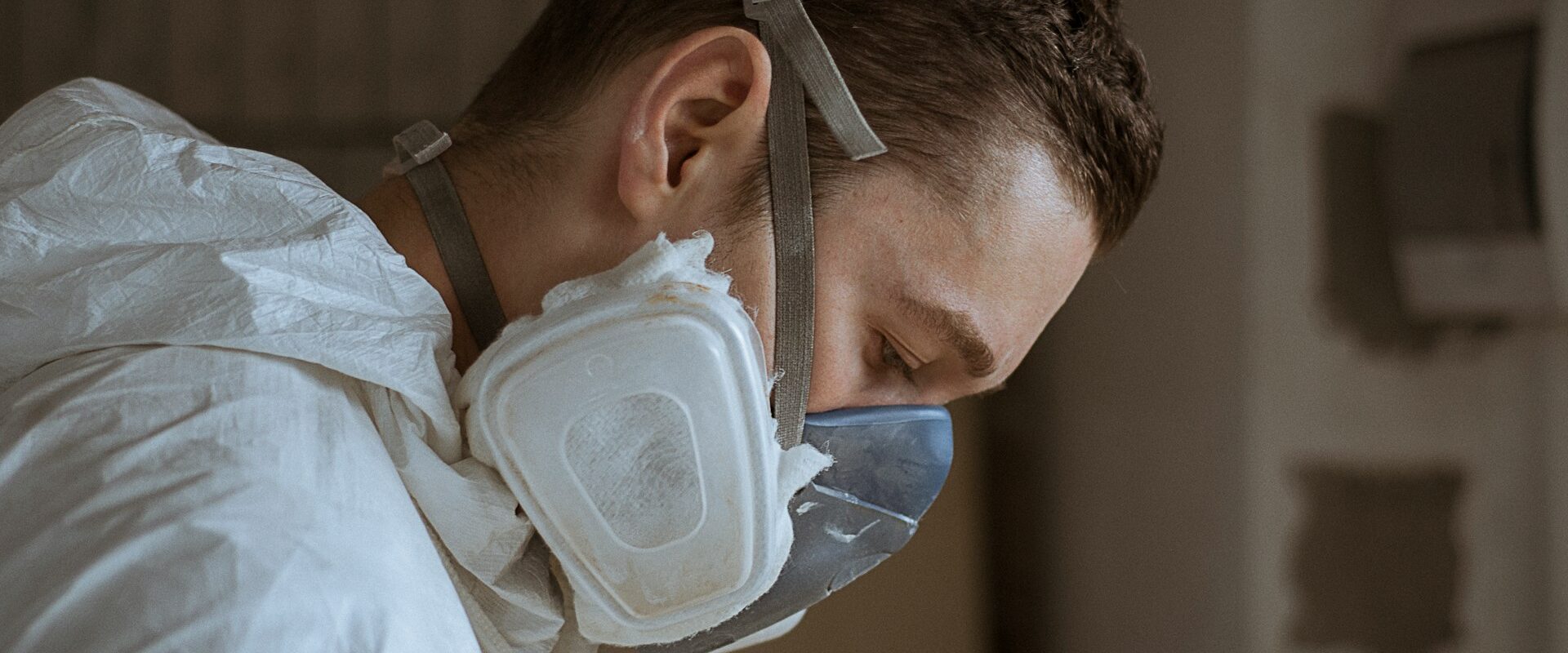
Connecticut’s long industrial history and aging housing stock have left asbestos concerns that extend beyond traditional job sites. Across the state, older residences, apartment buildings, schools, and other structures may contain materials installed when asbestos was widely in use. As these properties change ownership, undergo maintenance, or are prepared for renovation, people with no history of industrial employment may unexpectedly face questions about past or potential contact. Family members may also discover years later that exposure occurred indirectly through someone else’s occupation. These situations become especially important when a serious illness develops, and the source is difficult to trace.
For Connecticut residents considering legal assistance, identifying where contact occurred, who controlled the property, and whether warnings or protective measures were provided can help clarify possible responsibility. Understanding asbestos exposure risks can also help individuals recognize circumstances worth documenting and discussing with medical and legal professionals. Exposure histories may involve several locations or events, making careful records valuable when evaluating a potential claim.
Household Members Face Secondary Exposure
Workers can carry asbestos fibers home on clothing, shoes, tools, or other belongings. Family members and roommates can inhale or swallow those fibers during laundry, cleaning, or routine contact. This route is known as secondary, or take-home, exposure.
People who handled contaminated clothing before modern safety practices faced greater risk. Washing work clothes separately reduced household contact, but fibers could still spread if they had already entered the home.
Older Homes Contain Potential Hazards
Many homes built before asbestos restrictions contain materials that used asbestos for heat resistance, insulation, or durability. Possible locations include pipe insulation, attic insulation, floor tiles, roofing materials, siding, textured ceilings, and joint compound. Age alone does not release asbestos fibers. Drilling, sanding, scraping, cutting, demolition, water damage, or careless removal can disturb the material and send dust into the air. Homeowners should not sample or remove suspicious materials themselves. A qualified asbestos professional can assess the material and recommend testing or controlled removal.
Tenants face similar risks during remodeling. Renters should report crumbling insulation, damaged ceiling materials, or renovation dust to property management. Children and pets should stay away from the affected area until a qualified professional evaluates the material.
Renovation Workers and Hobbyists Need Caution
Contractors, electricians, plumbers, and flooring installers can encounter asbestos during routine projects. Demolition workers, independent handypersons, and do-it-yourself renovators also face exposure when they open walls, replace flooring, or remove old fixtures. Training, protective procedures, controlled work areas, and proper disposal reduce the chance of spreading fibers. A household dust mask does not make asbestos work safe. Workers need procedures that comply with asbestos regulations and match the material involved.
People should never sweep suspected asbestos dust with a dry broom or use a household vacuum. Those actions can redistribute fibers through a room. Stopping work, restricting access, and contacting a qualified professional provides a safer response.
Communities Near Disturbed Sites
Residents near demolition, redevelopment, industrial cleanup, or natural disasters can encounter asbestos when older structures break apart. Wind can carry contaminated dust beyond the immediate work area, especially if crews fail to control debris.
Local agencies often issue notices when a site presents a public concern. Residents should follow those instructions, keep windows closed during dusty activity, and avoid collecting debris. Anyone who worked near the material or entered a contaminated building should record the date, location, and type of contact.
Health Monitoring Matters After Exposure
Asbestos fibers can remain in the body for years. Diseases linked to exposure include mesothelioma, lung cancer, asbestosis, pleural plaques, pleural thickening, and pleural effusion. Symptoms can appear 20 to 60 years after exposure, so a person may not connect an illness with an earlier event.
No safe level of asbestos exposure is clear, and repeated short exposures can accumulate. A person with a known history should tell a healthcare provider when exposure occurred, how often it happened, and whether smoking or other lung risks exist. Medical advice should guide any monitoring plan.
Conclusion
Risk does not end when a worker leaves an industrial site. Fibers can travel home, enter older buildings during repairs, or spread through damaged structures after a disaster. People should avoid disturbing suspect materials, separate contaminated clothing when instructed, and document known contact for a healthcare provider. Anyone planning renovation in an older building should arrange a professional asbestos assessment before work begins, especially before cutting, sanding, or demolition.
Hey Everyone! This is Mia Shannon from Taxes. I'm 28 years old a professional blogger and writer. I've been blogging and writing for 10 years. Here I talk about various topics such as Fashion, Beauty, Health & Fitness, Lifestyle, and Home Hacks, etc. Read my latest stories.